

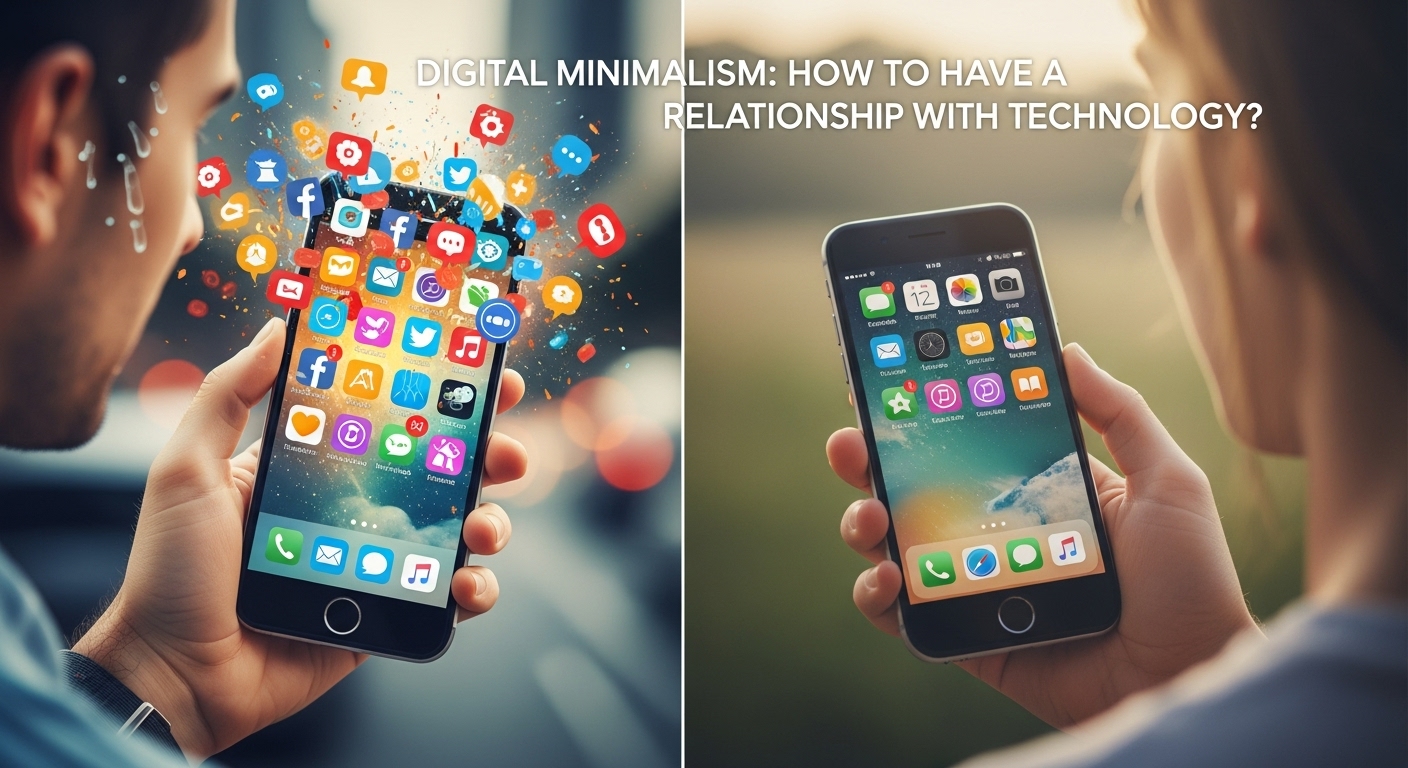
There’s been a long debate about whether or not scrolling through social media helps release stress.
Having said that, one thing is certain – being mindful when using social media helps.
Let me explain.
When you are using social media (or just using screens) infinitely, scrolling through reel after reel, liking every post that is coming your way, binge-watching seasons on Netflix, and stuff like that, you are making your brain go numb. It’s not active, it is not creative, and you feel low after that.
Why does that happen?
You need to understand the science behind that. Whenever you unlock your phone and open any social media app, a chemical called Dopamine is released in your brain. You might have already heard of it. In simple words, it is a feel-good signal to your body.
Now, you might wonder, “If it’s feel-good, why is it bad?” The problem isn’t the feel-good chemical itself. Instead, it’s the way it’s released. Whenever you open your favorite mobile app, it releases that chemical in a pretty cheap way – you didn’t achieve anything to feel this good.
And once you are used to that, you won’t find joy in things that should release dopamine, which is good for your body.
So, should you just cut off screens and technology from your life? Well, that won’t be the soundest solution for this because you still need such devices in this modern digital world.
The solution is digital minimalism.
What is Digital Minimalism?
Before we dive deeper into how to become a digital minimalist, it is important that we understand what it actually is.
So, digital minimalism is all about using tech intentionally and not totally rejecting it. As I said earlier, we are tightly knitted into this tech space that we can’t get rid of without affecting our lives. You can think of digital minimalism as a small reset button for your digital life. Instead of letting every notification and trend have your attention, you decide what truly deserves your attention.
To put it simply for you, digital minimalism is the practice of simplifying your digital world so that it supports your values, not distracts from them. You don’t need to delete every app or throw your phone away. Instead, you just need to learn to keep the apps that matter and dump the ones that don’t.
In my experience, when I embraced digital minimalism, I began to notice the difference between using technology and being used by it. It’s that simple.
How to Become a Digital Minimalist?
Now that I have explained what digital minimalism is, it’s time we learn how to adopt it.
Assess Yourself
The first step is knowing yourself and assessing some of the actions that might go against minimalism.
How can you assess yourself?
Well, before you make any changes, take a pause and observe your current habits, like doom scrolling. How often do you use your phone without any purpose? What are the apps and games that keep you hooked to the screen?
For example, I consume most of the content on my phone, which has a big AMOLED screen, and I have a fast Xfinity Internet connection at home. With that combination, I am tempted to watch another show or movie in 4K, but that’s the thing. I need to resist such temptations.
I started by tracking my screen time for a week. You can start this way, too.
You might be surprised by how much time goes to things that add little value. Once you see the numbers, ask yourself: “Is this how I want to spend my energy?”
Try to Avoid Social Media and Short Form Content
I might be taken the wrong way, but let me explain.
I know that social media helps us connect with our long-distance friends and family, but it’s also very thoughtfully designed to keep you hooked.
For example, you might open Instagram to watch your friends’ stories, but short-form content like reels or TikToks can quickly get your attention. They don’t do anything bad if you use it for five to ten minutes, but it never happens. You spend hours scrolling without even noticing.
That’s when it actually becomes harmful because of the quick rush of cheap dopamine.
How can you fix that if you doomscroll?
The first step I tried was setting limits and sometimes even taking a short break from certain platforms. When you do, you’ll notice how much mental peace you have achieved. That’s when you will feel more energetic and creative.
Set Boundaries
Boundaries are the foundation of digital minimalism. Without them, you’ll always be pulled in a dozen directions.
So, decide when and how you’ll use your devices. Maybe you don’t check your phone for the first hour after waking up, or maybe turn off notifications for non-essential apps. These small changes make a massive difference.
You can also create tech-free zones, such as your dining table or bedroom, to help your mind detach from constant stimulation. So, yeah, set the boundaries as they’re about protecting your focus and mental clarity.
Make a Plan
Now that you’ve identified what needs to change, it’s time to build a plan you can stick to.
Ask yourself what you actually want out of your digital life. Do you want to use technology for learning? Is it creativity or connection? Once you know your priorities, align your digital habits with them. You can schedule “intentional screen time” for things that truly add value, like listening to a podcast, reading an article, or connecting with a friend.
And the rest? You’ll be fine without it.
Make a plan because it turns intention into action. It gives your digital life structure so your time online serves you, not the other way around.
Rely on Technology
I know this might come as a surprise, but I have relied on technology to achieve digital minimalism. You, too, can rely on technology to help you practice digital minimalism.
So, use focus tools and apps like Freedom that block distractions or track your usage. Turn on Screen Time on iOS or Digital Wellbeing on Android. These tools are a part of the solution, as long as you’re using them intentionally.
So, when you’d use tech smartly, you can actually support your mindfulness.
Frequently Asked Questions (FAQs)
What are the 3 C’s of mindfulness?
The 3 C’s stand for Curiosity, Courage, and Compassion.
- Curiosity helps you stay open to your experiences instead of judging them.
- Courage allows you to face uncomfortable truths about your habits.
- Compassion reminds you to be gentle with yourself through the process.
When you apply these to your digital life, you become more intentional and less reactive.
What constitutes a healthy relationship with technology?
A healthy relationship with technology is balanced. You use devices as tools, not escapes. You engage when it adds value, and you disconnect when it doesn’t. You should feel in control of your digital habits and not drained or dependent. If your online life supports your real-world goals and well-being, that’s a healthy balance.
What is the worst tech habit that causes anxiety?
For a lot of people, it is the constant comparison that comes with flashy social media. Social media is actually highlights, not reality. The more you scroll, the more you unconsciously compare your behind-the-scenes with someone else’s best moments. This constant comparison triggers anxiety and restlessness.
To fix all of that, you need to take a step back and limit exposure. Also, remind yourself that your worth can never be quantified by how many likes and shares your post is getting, but your actual presence in your own life, which is only achievable by digital minimalism.