

In today’s fast-paced world, feeling tired has almost become normal. Whether you’re working long hours at a desk, running a business, caring for kids, training at the gym, or juggling all of the above, your body carries more stress than you realize.
That’s where wellness spa treatments come in. They’re not just about pampering or luxury. Done right, they can help your body recover from physical strain, calm your nervous system, and give you the mental clarity to perform better in everyday life.
Let’s explore some of the top wellness spa treatments that truly help you relax, recover, and recharge.
1. Massage Therapy: Resetting a Stressed Body
If you’ve ever walked out of a good massage session feeling lighter and calmer, you already understand its power.
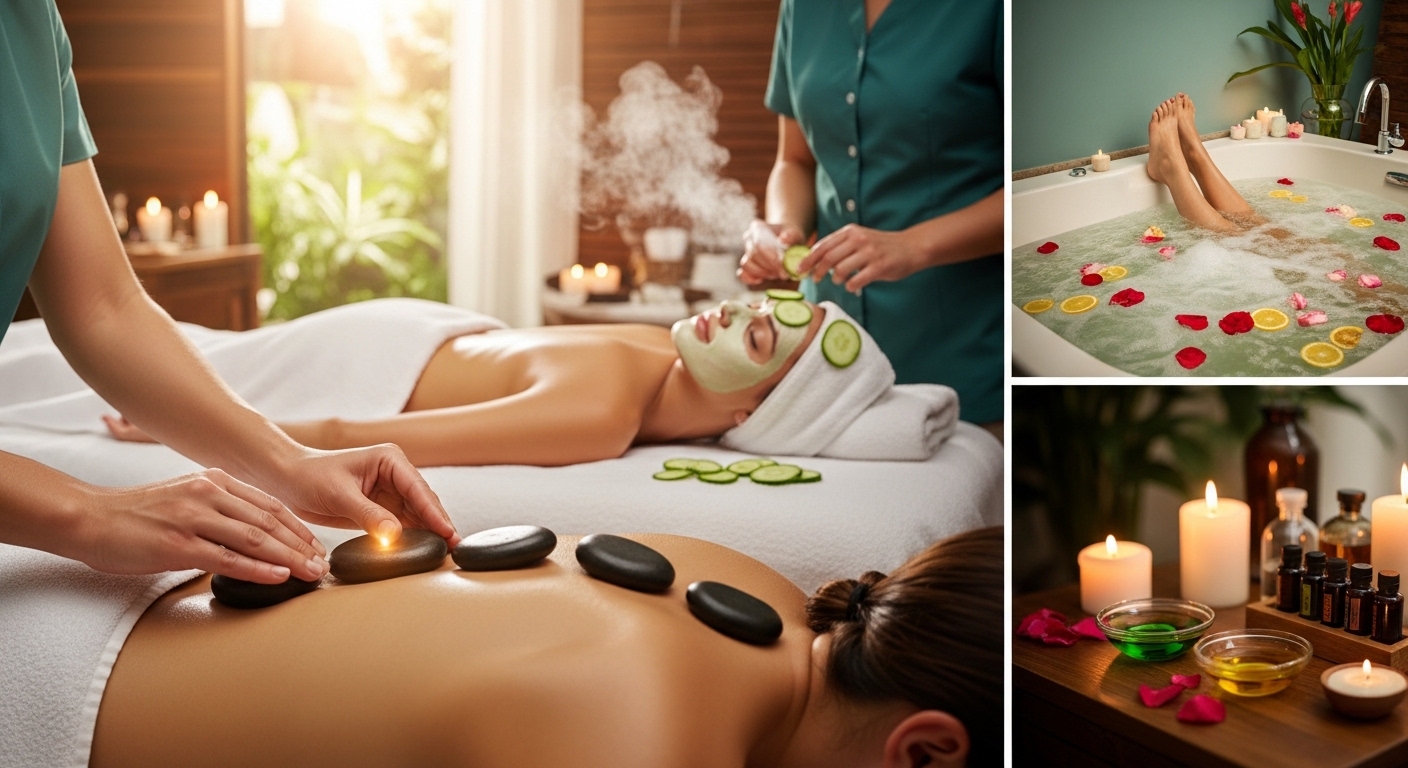
Massage therapy works by manipulating soft tissues—your muscles, tendons, and connective tissues—to improve circulation and release tension. When you sit at a computer for eight hours a day, your shoulders tighten. When you lift heavy weights or carry toddlers around, your lower back and hips take the load. Over time, these tight spots restrict blood flow, leading to discomfort.
A skilled massage therapist helps increase circulation, which delivers oxygen and nutrients to tired muscles. It also stimulates your parasympathetic nervous system—the part responsible for “rest and digest.” That’s why you often feel sleepy and deeply relaxed afterward.
For example:
- Office workers use massage to relieve neck and shoulder stiffness.
- Athletes use it to reduce muscle soreness and improve recovery.
- Busy parents use it to unwind from physical and emotional stress.
It’s not just about feeling good in the moment. Regular massage can help improve posture, reduce tension-related headaches, and even improve sleep quality.
2. Contrast Therapy: Hot and Cold for Deep Recovery
One of the most talked-about wellness trends right now is contrast therapy, which alternates between heat and cold exposure. This might include moving between a sauna and a cold plunge pool.
The science is fairly straightforward: heat causes blood vessels to dilate (vasodilation), increasing circulation. Cold causes them to constrict (vasoconstriction), reducing inflammation. Alternating between the two creates a kind of “vascular workout,” helping to flush out metabolic waste and support muscle recovery.
Cold exposure in particular has gained attention for its potential role in reducing inflammation,
Think about it like this:
- After a tough gym session, your muscles feel swollen and sore.
- After a long week of standing at work, your legs feel heavy.
- After intense mental stress, your body feels wired and fatigued.
Moving between hot and cold can help reset both the body and mind. Many people report improved mood, sharper focus, and better sleep afterward.
Even in industries like professional sports and high-performance business, hot and cold therapies are used to accelerate recovery and maintain consistent performance.
3. Sauna Sessions: Detox, Relax, and Unwind
Saunas have been used for centuries across different cultures. Modern wellness spaces often offer traditional steam saunas or infrared saunas, which use light waves to gently heat the body.
When you sit in a sauna, your core temperature rises. Your heart rate increases slightly—similar to light cardiovascular exercise. You begin to sweat, which helps regulate temperature and can leave you feeling refreshed and cleansed.
But the biggest benefit for many people is mental relaxation.
In a sauna, there are no emails, no phone notifications, and no meetings. Just warmth and stillness. That forced pause allows your body to shift out of stress mode.
People in various professions use sauna therapy for different reasons:
- Entrepreneurs use it to decompress after high-pressure days.
- Tradespeople use it to relax tight muscles after physical labor.
- Fitness enthusiasts use it to support muscle recovery.
Over time, regular sauna sessions can help improve circulation and create a powerful weekly ritual for stress management.
4. Compression Therapy: Recovery for Busy Legs
If you’ve ever taken a long flight and felt your legs swell, you’ve experienced poor circulation firsthand. Compression therapy works by applying controlled pressure to the limbs—usually through inflatable sleeves—to improve blood flow.
It’s often used in sports recovery, but it’s just as helpful for:
- Nurses and retail workers who stand all day.
- Office workers who sit for long periods.
- Frequent travelers who experience leg fatigue.
By rhythmically squeezing the muscles, compression devices encourage blood to move back toward the heart, reducing swelling and promoting recovery.
It’s like giving your legs a structured, mechanical massage. After a session, many people report feeling their legs are lighter and more energized.
5. Body Sculpting Treatments: Supporting Confidence and Wellness
Modern wellness spas also offer non-invasive body sculpting treatments. These typically use technologies like radiofrequency or controlled cooling to target stubborn fat areas.
While these treatments aren’t a replacement for healthy habits, they can support people who already exercise and eat well but struggle with certain areas that don’t respond well to other approaches.
For example:
- A gym-goer who maintains a clean diet but can’t reduce lower-abdominal fat.
- A new parent wants to feel more confident after physical changes.
- A professional preparing for a major event or milestone.
Confidence plays a huge role in overall well-being. When you feel good in your body, you often move differently, speak more confidently, and engage more fully in daily life.
Making Wellness a Regular Habit
The key to real results isn’t doing one session and expecting magic. It’s building consistent rituals.
Just like you schedule meetings, workouts, or date nights, scheduling recovery is equally important. Think of it as maintenance for your body—similar to servicing your car before problems arise.
If you’re exploring options and want to see which treatments are available, you can check services to get an idea of what might suit your lifestyle and goals.
The right combination might look like:
- Weekly massage for stress relief.
- Twice-weekly sauna sessions for relaxation.
- Contrast therapy after heavy workouts.
- Occasional compression sessions after long travel or busy work weeks.
It doesn’t have to be complicated. The goal is to support your nervous system, circulation, and muscular recovery in a way that fits into your life.
Final Thoughts: Recovery Is Not a Luxury
Many people think spa treatments are indulgent. But when you look at how much stress modern life places on your body—mentally and physically—recovery becomes essential.
From athletes to office workers, from parents to business owners, everyone benefits from structured downtime. Wellness spa treatments offer more than relaxation; they create space for your body to repair itself.
When you invest in recovery, you often notice:
- Better sleep
- Improved mood
- Reduced muscle tension
- Greater mental clarity
- Higher energy throughout the day
And perhaps most importantly, you feel more in control of your well-being.
Relaxation isn’t weakness. Recovery isn’t laziness. Recharging your body is one of the smartest long-term decisions you can make.
When you treat wellness as a regular practice—not an occasional luxury—you give yourself the energy and resilience needed to show up fully in work, family life, and everything in between.