

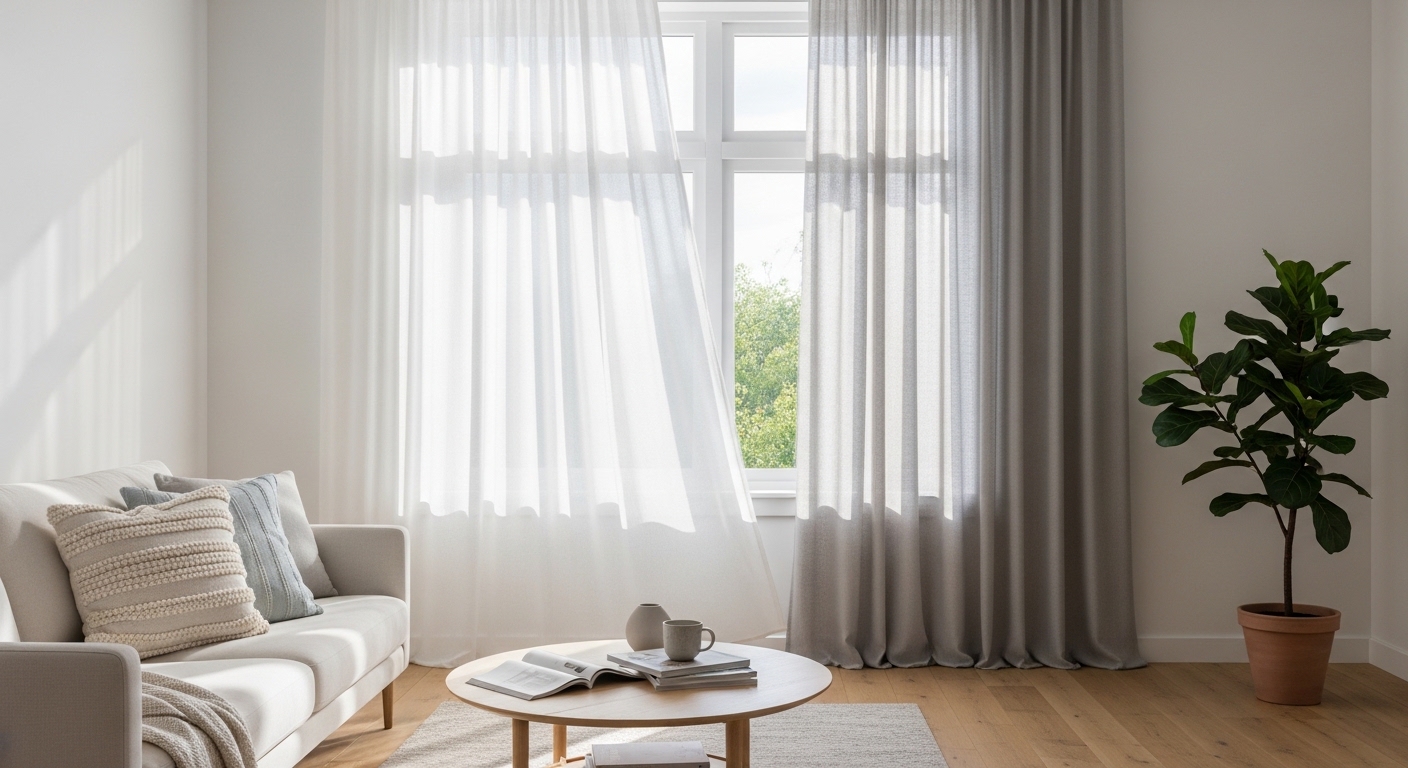
Upgrading your window furnishings might not sound as exciting as buying a new sofa or repainting the walls, but it can completely transform how your space looks and feels. Windows are one of the largest visual elements in a room. How you dress them influences light, privacy, temperature, and even mood.
Whether you’re refreshing a family home, modernising an office, or styling a retail space, thoughtful window upgrades can tie everything together. The key is to approach the process with both design and function in mind.
Let’s walk through what truly matters when updating your window furnishings and overall interior style.
Start With How You Use the Space
Before choosing fabrics, colours, or finishes, take a step back and think about how the room is actually used.
A bedroom needs restful darkness and privacy. A living room often benefits from flexible light control. An office might require glare reduction for screens. In hospitality settings, like boutique hotels or serviced apartments, window furnishings must balance aesthetics with durability.
For example, in a home office with large windows, direct sunlight can cause screen glare, making it uncomfortable to work. Installing adjustable blinds or layered curtains allows you to filter natural light without blocking it entirely.
In open-plan homes, sheer curtains can soften harsh daylight while still maintaining a bright, airy atmosphere. In contrast, heavier blockout curtains in bedrooms improve sleep quality by reducing early morning light.
Commercial spaces offer similar lessons. Restaurants often adjust window treatments to control late-afternoon sun, ensuring customers remain comfortable. In healthcare clinics, privacy and hygiene considerations influence material choices.
The best upgrade always starts with function. When you solve practical needs first, the design choices become clearer.
Consider Light, Privacy, and Comfort Together
Light is one of the most powerful elements in interior design. It affects how colours appear, how large a room feels, and how comfortable the environment is throughout the day.
Window furnishings play a crucial role in managing natural light. Too much direct sunlight can cause glare, fade furniture, and increase indoor temperatures. Too little light can make a room feel dull and closed in.
Layered solutions often work best. For instance:
- Sheer curtains for daytime softness
- Blockout curtains or blinds for privacy and darkness at night
- Adjustable slats for precise light direction
In homes with street-facing windows, privacy becomes a priority. Light-filtering fabrics allow daylight in while limiting visibility from outside. For apartments or townhouses, this can make a significant difference in everyday comfort.
Temperature control is another factor many people overlook. Quality window treatments can reduce heat gain in summer and help retain warmth in winter. While they’re not a replacement for insulation, they do contribute to overall energy efficiency.
Upgrading window furnishings isn’t just about aesthetics — it’s about improving how your space feels throughout the day.
Align With Your Interior Style
Once you’ve addressed functionality, it’s time to consider how your window furnishings fit into your broader interior style.
In minimalist interiors, clean-lined roller blinds in neutral tones create a seamless look. In more traditional spaces, textured fabrics or timber shutters add warmth and depth.
Think of window treatments as part of your overall design palette. They should complement:
- Wall colours
- Flooring materials
- Furniture textures
- Architectural details
For example, a coastal-inspired home might feature light linen curtains that gently sway with the breeze. A modern corporate office might use sleek, uniform blinds for a polished appearance. In a high-end retail store, layered curtains can create a sense of luxury and softness.
Scale is important too. Curtains hung higher and wider than the window frame can make ceilings appear taller and rooms feel more spacious. Proper measurement and professional installation help avoid gaps, uneven hems, or awkward proportions.
If you’re exploring comprehensive options for upgrading your window furnishings and interior elements, you can click here to review a range of services that address both functionality and design. Seeing what’s available often clarifies what will work best for your space.
Think About Materials and Maintenance
Different materials offer different benefits, and your lifestyle should influence your choice.
Fabric curtains provide softness and versatility. Timber shutters add character but may require occasional maintenance. Aluminium or PVC blinds are often easier to clean and well-suited for kitchens or bathrooms where moisture is present.
If you have children or pets, durability matters. Easy-to-clean materials can make daily life simpler. In commercial settings, wear and tear becomes even more important. Offices, cafés, and hospitality venues need materials that withstand frequent use.
Motorised options are also becoming more popular. With a remote or smart-home system, you can adjust blinds effortlessly — especially helpful for large or hard-to-reach windows. In office environments, automated systems can be programmed to adjust throughout the day in response to sunlight.
While motorisation adds convenience, it’s not always necessary. The best choice depends on your specific needs and budget.
Budget With Long-Term Value in Mind
It’s easy to compare upfront costs between ready-made and custom window furnishings. However, long-term value tells a more complete story.
Properly fitted, high-quality window treatments typically last longer and perform better. They reduce issues such as light gaps, uneven fabric pooling, and hardware strain. Over time, investing in quality can prevent the need for frequent replacements.
For homeowners considering resale value, updated window furnishings contribute to a cohesive, finished look. Buyers often respond positively to spaces that feel thoughtfully designed.
Businesses benefit too. In hospitality or retail, well-chosen window treatments enhance the overall customer experience. In office environments, improved lighting and comfort can support employee wellbeing.
When viewed through the lens of everyday use and longevity, window upgrades become less of an expense and more of an investment.
Bringing It All Together
Upgrading your window furnishings and interior style is about more than choosing something that looks nice. It’s about aligning function, comfort, and design.
Start by understanding how each room is used. Consider light control and privacy together. Choose materials that suit your lifestyle. Think about how everything fits within your overall aesthetic.
Small decisions — fabric weight, colour tone, hardware style — have a cumulative effect. When thoughtfully selected, they create spaces that feel balanced and intentional.
You don’t need a complete renovation to elevate your interiors. Sometimes, updating window furnishings is enough to transform a room’s feel from morning to night.
When you approach the process with clarity and purpose, the result is a space that not only looks better but also works better.